E-mail: info@plymachine.com WhatsApp:+8619553901259

Views: 0 Author: Site Editor Publish Time: 2026-02-23 Origin: Site
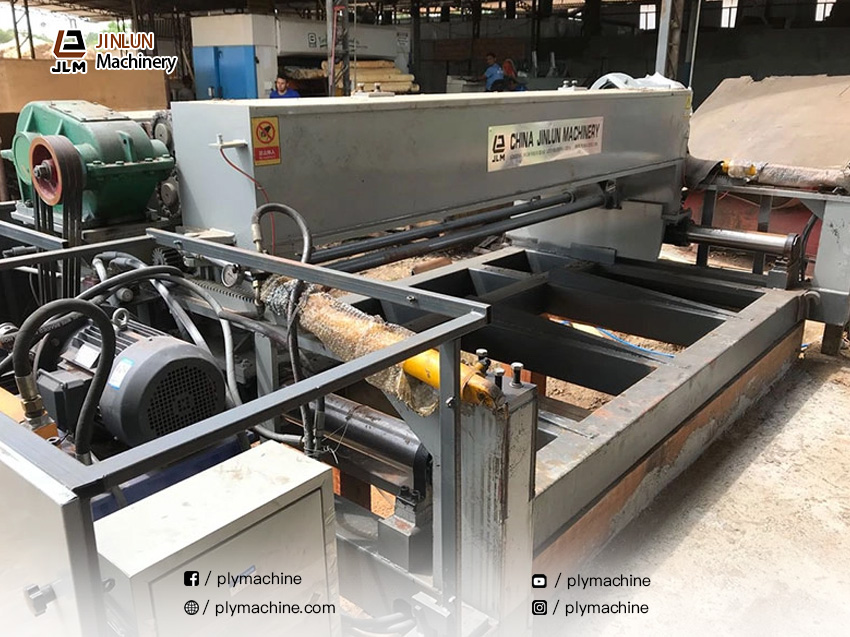
In the realm of woodworking, maintaining precision and efficiency in operations is crucial. The Veneer Peeling Machine plays a pivotal role in producing high-quality wood veneers, which are essential components in the manufacturing of plywood and other wood-based products. Understanding how to maintain these machines effectively ensures their longevity and optimal performance. This article delves into the best practices for maintaining a veneer peeling machine, focusing on various types such as the Wood Veneer Peeling Machine and the Spindle Veneer Peeling Machine.
Veneer peeling machines are sophisticated pieces of equipment designed to peel thin layers of wood from logs, producing veneers of consistent thickness and quality. These machines come in various configurations, including spindle and spindle-less designs, each with its own set of advantages. The Plywood Veneer Peeling Machine is particularly popular for its efficiency in large-scale production environments.
The primary types of veneer peeling machines include the spindle and spindle-less variants. Spindle machines are known for their precision and ability to handle larger logs, making them ideal for producing high-quality veneers. On the other hand, spindle-less machines are more versatile and cost-effective, suitable for smaller operations or when dealing with smaller logs. The CNC Veneer Peeling Machine represents the pinnacle of technology in this field, offering automated control and enhanced precision.
Proper maintenance of veneer peeling machines is critical to ensuring their long-term precision and efficiency. Regular maintenance not only extends the lifespan of the equipment but also reduces downtime and maintenance costs. Here are some essential maintenance practices:
Conducting routine inspections is the first step in maintaining a veneer peeling machine. Operators should check for any signs of wear and tear, such as unusual noises, vibrations, or visible damage to components. Regular inspections help identify potential issues before they escalate into significant problems, ensuring the machine operates smoothly and efficiently.
Lubrication is crucial for the smooth operation of moving parts within the machine. Operators should follow the manufacturer's guidelines for lubrication intervals and use the recommended lubricants. Additionally, keeping the machine clean from dust and debris prevents blockages and ensures optimal performance. Regular cleaning also helps in identifying potential issues that may not be immediately visible.
Calibration ensures that the machine produces veneers of consistent thickness and quality. Regular calibration checks should be performed to maintain the machine's precision. Adjustments may be necessary to account for wear and tear or changes in the type of wood being processed. Operators should be trained to perform these adjustments accurately to maintain the machine's efficiency.
Beyond routine maintenance, advanced techniques can further enhance the performance and longevity of veneer peeling machines. These techniques require specialized knowledge and may involve the use of advanced diagnostic tools.
Predictive maintenance involves using data analytics and sensors to monitor the machine's performance in real-time. By analyzing this data, operators can predict when a component is likely to fail and take preventive action. This approach minimizes downtime and ensures the machine operates at peak efficiency.
Investing in training and skill development for operators is essential for effective maintenance. Operators should be familiar with the machine's operation and maintenance procedures. Regular training sessions can help operators stay updated on the latest maintenance techniques and technologies, ensuring they can handle any issues that arise.
Maintaining a veneer peeling machine requires a combination of routine inspections, proper lubrication, calibration, and advanced maintenance techniques. By implementing these practices, operators can ensure the long-term precision and efficiency of their machines. The role of a Veneer Peeling Machine Manufacturer is also crucial, as they provide the necessary support and guidance for maintaining these machines. With the right maintenance strategies, businesses can maximize the lifespan and performance of their veneer peeling machines, ensuring high-quality veneer production for years to come.


