E-mail: info@plymachine.com WhatsApp:+8619553901259

Views: 0 Author: Site Editor Publish Time: 2026-03-24 Origin: Site
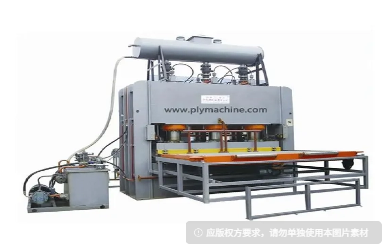
The plywood industry plays a crucial role in the manufacturing of wood-based panels, with hot press machines being central to the production process. However, these machines are often energy-intensive, consuming large amounts of electricity and fuel to heat the press plates, which results in high operational costs and a significant environmental footprint. As energy costs rise and environmental concerns become more prominent, manufacturers are increasingly turning to energy-saving technologies in their plywood hot presses. This article explores how these technologies work, their benefits, and challenges, as well as real-world case studies showcasing successful implementation.
Traditional plywood hot press machines operate by heating large metal plates, which are then applied to the veneer layers under pressure. The heat softens the adhesive between the veneer layers, allowing them to bond and form a solid panel. However, these machines often rely on constant heating and cooling cycles, which can be inefficient and lead to excessive energy consumption. Traditional presses typically work with steam or electrical heating systems, both of which can be wasteful if not optimized.
One of the main challenges with traditional hot press machines is their high energy demand. These machines must maintain a consistent temperature throughout the pressing cycle, and this often requires significant amounts of energy. The heating plates are typically kept on for extended periods, even when the press is not actively pressing new panels, leading to unnecessary energy waste.
Additionally, the cooling process after the pressing cycle often requires significant energy to bring the plates and the panels down to ambient temperatures. This prolonged energy use throughout the cycle results in inefficiency and unnecessary operational costs.
Older hot press models tend to be less energy-efficient due to outdated heating and control systems. These machines often lack sophisticated insulation and temperature control systems, which can result in heat loss and inconsistent energy usage. Additionally, manual control systems in older presses are less precise, leading to fluctuating temperature levels that waste energy.
In response to these inefficiencies, several energy-saving technologies have been developed and incorporated into modern plywood hot presses. These technologies aim to optimize energy use, reduce waste, and improve overall machine efficiency.
One of the most effective ways to reduce energy consumption in hot press machines is by upgrading the heating systems. Modern hot presses often use more energy-efficient heating elements that require less power to achieve the same results. These elements, such as infrared heaters or ceramic heaters, offer faster heat-up times and maintain a more consistent temperature, significantly reducing energy usage.
Infrared Heating: Infrared heaters work by emitting electromagnetic radiation that directly heats the surface of the material, rather than relying on air or steam to heat the entire system. This allows for more targeted heating, reducing waste and improving energy efficiency.
Ceramic Heating: Ceramic heaters provide high efficiency due to their ability to quickly heat up and maintain consistent temperatures, reducing the need for excessive power.
Another key technology is the improvement of insulation in the press plates and the overall press structure. Modern hot presses are equipped with high-quality insulation materials that help retain heat and prevent heat loss during the pressing cycle. By reducing the amount of energy needed to maintain a consistent temperature, these advanced insulation systems contribute to significant energy savings.
Insulation not only helps to conserve energy but also improves the efficiency of the press by ensuring that heat is retained in the pressing area and not lost to the surrounding environment. This reduces the overall power consumption required to reach and maintain the desired temperature.
Variable Frequency Drives (VFDs) are increasingly being used in modern hot press machines to improve motor efficiency. VFDs allow for the adjustment of motor speed based on the required load and production cycle. Rather than running motors at a constant speed, VFDs ensure that motors only consume the necessary energy for the task at hand.
By adapting the motor speed to the demand, VFDs reduce the overall electricity consumption of the machine, especially during periods of low demand or lighter pressing cycles. This not only saves energy but also reduces wear and tear on the motor, increasing the overall lifespan of the equipment.
In modern hot presses, automatic temperature and pressure control systems ensure that energy is used efficiently throughout the entire pressing cycle. These systems use sensors and control panels to constantly monitor the temperature and pressure, adjusting them as needed to optimize energy use. By eliminating manual adjustments and fine-tuning the settings in real-time, these systems ensure that the machine operates at peak efficiency, reducing both energy consumption and cycle times.
Some modern hot presses are equipped with regenerative energy systems that can capture and reuse excess energy. These systems collect the waste heat from the pressing process and use it to power other parts of the production line or preheat incoming materials. By recycling waste energy, manufacturers can significantly reduce their overall energy consumption and lower operating costs.
The integration of energy-saving technologies into plywood hot press machines offers numerous benefits, both financially and environmentally.
The most significant benefit of energy-saving technologies is the reduction in energy consumption. By optimizing heating, improving insulation, and incorporating efficient motor systems, modern hot presses consume far less energy compared to traditional models. This results in lower operational costs, especially for manufacturers that run presses continuously throughout the day.
In addition to energy savings, these technologies also enhance productivity. With faster heat-up times and more consistent temperature control, modern presses can reduce cycle times, allowing manufacturers to produce more plywood panels in less time. This increased throughput is essential for high-volume operations that need to meet demanding production schedules.
While the initial investment in energy-saving technologies may be higher, the long-term savings in energy bills and reduced operational costs make these upgrades highly cost-effective. Manufacturers can recoup the initial cost over time through savings on energy and improved operational efficiency.
Energy-efficient hot presses contribute to a reduced carbon footprint by using less energy and generating fewer greenhouse gas emissions. By adopting sustainable technologies, manufacturers can align with stricter environmental regulations and promote eco-friendly practices within the industry.
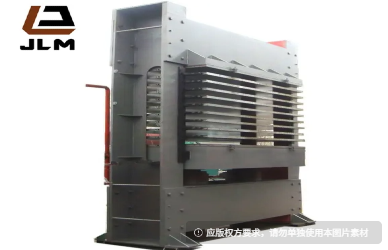
Despite the many benefits, there are some challenges associated with adopting energy-saving technologies in plywood hot presses.
One of the primary obstacles is the initial investment. Energy-saving technologies such as advanced heating systems, insulation materials, and automated controls can significantly increase the upfront cost of the press. This can be a barrier for smaller manufacturers or those with limited budgets.
Retrofitting older presses with modern energy-saving technologies can be a complex and costly process. Older machines may not be compatible with new systems, and upgrading them can require significant modifications. For some manufacturers, purchasing a new, energy-efficient press may be more cost-effective than retrofitting an old one.
Operating and maintaining energy-efficient presses often requires skilled personnel who are trained in modern automation and control systems. Manufacturers may need to invest in training or hire specialized technicians to ensure proper maintenance and operation, which can add to ongoing operational costs.
Modern presses use more energy-efficient heating systems, advanced insulation, variable frequency drives, and regenerative energy systems to optimize energy use and reduce waste.
Infrared heating provides targeted heat to the material, reducing the amount of energy needed and improving overall energy efficiency by avoiding unnecessary heating of the entire system.
Yes, older presses can be retrofitted with modern technologies like Variable Frequency Drives and improved insulation, though the retrofit process can be costly and complex.
While the payback period depends on the scale of the operation and the specific technologies implemented, many manufacturers report a return on investment within 1-3 years due to lower energy bills and improved productivity.
Energy-saving technologies in plywood hot presses are transforming the industry by reducing energy consumption, improving productivity, and promoting sustainability. While the initial investment may be higher, the long-term benefits in energy savings, cost reductions, and environmental impact are significant. Manufacturers must carefully evaluate their needs, production volume, and budget to determine whether upgrading or retrofitting their presses with energy-saving technologies makes sense.
The adoption of energy-efficient hot presses is not just a financial investment—it's a step toward a more sustainable and environmentally responsible plywood industry. As energy costs continue to rise and environmental regulations tighten, energy-saving technologies will become increasingly important for manufacturers looking to stay competitive and compliant.


