E-mail: info@plymachine.com WhatsApp:+8619553901259

Views: 0 Author: Site Editor Publish Time: 2026-03-20 Origin: Site

When looking for reliable veneer peeling machines manufacturers, understanding each supplier’s unique strengths and service offerings is essential. This guide lists the top players in the industry and provides practical tips to help you match vendor capabilities to your factory’s needs.
Knowing what differentiates each manufacturer will save you time during procurement and ensure you invest in the right technology for your plywood production line.
Raute is internationally recognized for its advanced automation and hybrid lathe technologies. With decades of R&D experience, Raute offers turnkey plywood production lines that integrate high-precision rotary peeling machines with cutting-edge process automation. Their machines are known for superior veneer yield, tight thickness tolerances, and seamless integration with downstream processes.
Best for: High-automation factories focused on premium veneer quality and maximum operational efficiency.
Raute’s strength lies not only in its machine technology but also in its comprehensive software solutions that enable real-time monitoring and predictive maintenance. Their hybrid lathes provide unmatched flexibility by allowing seamless switching between spindle and spindleless peeling modes, accommodating a wide range of log diameters and wood species.
Their global footprint ensures customers have access to experienced local support teams, shortening response times for technical assistance or spare parts delivery. Raute frequently collaborates with clients during installation and commissioning phases, ensuring the peeling line operates at optimal parameters from day one.
W.D WOODSEN, also known simply as Woodsen, is a prominent Chinese manufacturer specializing in integrated plywood line solutions, including veneer peeling machines. They combine competitive pricing with solid engineering, making their machines an attractive choice for new factories and retrofit projects, especially in Asia.
Best for: Factories seeking cost-effective turnkey or retrofit solutions with local manufacturing support.
Woodsen machines emphasize mechanical reliability combined with automation features sufficient for mid-sized to large plywood operations. Their product lines range from basic spindle peelers to advanced lines with CNC-controlled knife feed and automatic block centering.
A key advantage of WOODSEN is their responsive after-sales service network. Many customers appreciate the company’s quick spare parts dispatch and availability of on-site technical training, which reduce startup times and production risks.
Several other manufacturers have gained attention in regional markets or online platforms, providing additional vendor options:
Yuequn Machinery (China): Offers versatile veneer peeling machines and plywood line equipment tailored to various factory sizes. Yuequn is known for customizable solutions, allowing buyers to specify peeling widths, automation levels, and capacity.
Sansen Plywood Machinery (China): Specializes in spindleless peeling machines, which are ideal for processing small-diameter or irregular logs efficiently. Sansen’s machines often appeal to factories focusing on cost-sensitive production with less emphasis on face veneer quality.
Additional Regional Makers: Numerous manufacturers are visible on Alibaba, Made-in-China, and other B2B marketplaces. These suppliers typically cater to local markets with varying levels of automation and customizability.
Best for: Buyers with flexible budgets looking for regional support or niche machine capabilities.
When considering these OEMs, it’s critical to assess their product documentation quality, customer feedback, and willingness to provide factory acceptance testing.
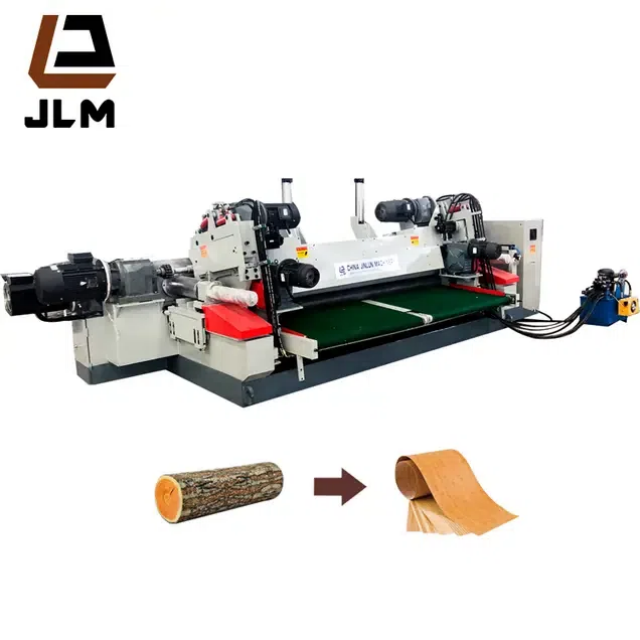
Selecting a veneer peeling machine vendor requires a structured evaluation beyond initial quotations. Below is a practical scorecard to guide your assessment:
Production References and Track Record: Investigate the manufacturer’s installed base. How many peeling lines are operational worldwide? Are there customers in your region or with similar production needs? Request client contacts for direct feedback.
Availability of On-Site Demonstrations: Confirm if the manufacturer or their partners can arrange live peel trials or factory acceptance tests. Seeing a machine run with real logs reveals critical insights into quality, reliability, and operator ergonomics.
Spare Parts Supply and Lead Times: Evaluate their spare parts logistics. Do they stock critical wear parts locally? What are typical delivery times? Consider the cost and complexity of importing parts when planning maintenance budgets.
Warranty and After-Sales Service: Review warranty terms carefully. What is covered and for how long? Is technical support available 24/7? Are there authorized service centers nearby? Rapid support can prevent costly downtime.
Local Service Partner Network: A manufacturer with strong local service infrastructure can provide faster troubleshooting, training, and preventive maintenance, enhancing machine uptime.
Transparency in Yield and Quality Data: Reliable manufacturers provide documented yield reports and thickness consistency data from customer sites or their own trials. This transparency reduces procurement risks.
Technical Innovation and Software Integration: Consider if the vendor offers advanced features like CNC knife control, real-time data analytics, and integration with factory MES (Manufacturing Execution Systems). These add long-term value by improving process control and reducing waste.
Successful procurement depends on thorough due diligence and clear contractual terms:
Factory Acceptance Testing (FAT): Require a FAT where you can witness a complete peel cycle with your log types or equivalents. FAT is an opportunity to verify machine capabilities and address issues pre-shipment.
Detailed Spare Parts Lists and Pricing: Obtain a comprehensive list of consumables and spare parts, along with pricing and delivery lead times. This enables accurate maintenance planning.
Acceptance Criteria Based on Performance: Include clauses that link payment or penalties to veneer yield, thickness tolerances, and uptime guarantees. Clear acceptance metrics protect your investment.
Comprehensive Operator and Maintenance Training: Ensure the vendor commits to onsite or virtual training for your team covering daily operation, troubleshooting, and preventive maintenance.
Clear Warranty and Service Level Agreements: Document warranty scope and support response times. Clarify procedures for escalation and spare parts replacement during and after warranty.
Long-Term Partnership Potential: Assess the vendor’s willingness to provide ongoing technical updates and upgrade options, ensuring your peeling line remains competitive as production demands evolve.
Choosing the right veneer peeling machines manufacturers is pivotal to your plywood factory’s success. Matching vendor strengths to your production goals and budget requires a careful, informed approach.
Start by shortlisting three vendors based on your specific technical requirements and local support availability. Then schedule in-person or virtual peel trials to observe machine performance directly.
Don’t overlook the importance of spare parts logistics, warranty conditions, and after-sales training in your final decision. These factors often determine your peeling line’s operational efficiency and longevity more than initial purchase price.
At Shandong Jinlun Machinery, we combine 12 years of industry expertise with patented technologies to deliver efficient veneer peeling machines tailored for diverse plywood production needs. Our responsive service team and extensive spare parts network ensure you maximize uptime and product quality.
For personalized advice or to arrange a machine demonstration, please contact us today. We are committed to supporting your plywood manufacturing excellence with trusted equipment and expert guidance.


