E-mail: info@plymachine.com WhatsApp:+8619553901259

Views: 0 Author: Site Editor Publish Time: 2026-03-05 Origin: Site

A hot press is a crucial piece of machinery in plywood production, used to bond layers of veneer together with adhesive under heat and pressure. The heat softens the adhesive, while the pressure ensures a strong and durable bond between the veneers, resulting in high-quality plywood. The performance of a hot press significantly impacts the overall quality and efficiency of the plywood manufacturing process. Choosing the right hot press is vital for achieving consistent product quality, maximizing production efficiency, and minimizing operational costs. Key factors that influence the selection of a hot press include the capacity and size needed for the production volume, the type of press (single-opening or multi-opening), the pressure and temperature control systems, and the energy efficiency of the machine. Properly selecting a hot press can lead to significant improvements in production speed, product quality, and long-term cost savings.
Single-opening hot presses are designed for smaller or medium-scale plywood production. These presses have a single pressing chamber, meaning only one panel can be pressed at a time. They are ideal for manufacturers who produce smaller volumes or customized plywood. While they are generally more affordable and easier to operate, their production capacity is limited compared to multi-opening presses. Single-opening presses are often used by businesses focused on producing high-quality, bespoke plywood with less focus on high-volume output.
Multi-opening hot presses feature multiple pressing chambers, allowing several panels to be pressed simultaneously. This design significantly increases production efficiency and throughput, making them ideal for large-scale operations. Multi-opening presses are perfect for manufacturers producing high volumes of plywood. These machines are more complex and expensive but can offer substantial cost savings in the long run due to their ability to press multiple panels at once, speeding up production time and reducing labor costs.
Hot presses can be broadly classified into hydraulic and mechanical types, each offering distinct advantages depending on the requirements of the plywood production process:
Hydraulic Presses use hydraulic systems to apply pressure evenly across the entire press. They are highly versatile, offering precise control over the amount of pressure applied and ensuring uniform distribution. Hydraulic presses are especially beneficial for producing high-quality plywood with consistent thickness and glue bonding. These presses are often preferred for operations that require flexibility in pressure adjustments or for thicker or harder materials.
Mechanical Presses rely on mechanical systems, such as gears and motors, to apply pressure. They tend to be more affordable and simpler in design but may lack the precision offered by hydraulic presses. Mechanical presses are typically used in situations where less variation in pressure control is acceptable, and where cost-effective, high-volume production is the priority. While they may not offer the same level of finesse as hydraulic presses, they are often sufficient for high-output operations with less focus on precise pressure adjustments.
The size and capacity of the hot press should be closely aligned with your production volume and the specific requirements of the plywood being produced. For small-scale operations or companies producing custom plywood, a smaller, single-opening hot press may be sufficient. However, large-scale manufacturers who require high throughput and the ability to press multiple panels simultaneously would benefit from a multi-opening hot press. The press size also determines the dimensions of the plywood panels, so it's important to ensure that the machine can accommodate the sizes you plan to produce, ensuring maximum efficiency and minimal waste.
The quality of the pressing plates and the ability to control the pressure are critical to achieving consistent product quality. High-quality plates made from durable materials (such as steel) ensure that heat is distributed evenly across the plywood, reducing the chances of warping or uneven bonding. Uniform pressure distribution is essential to ensure strong, durable glue bonds between veneer layers. Poor pressure control can lead to defective plywood, with issues such as weak spots or inconsistent bonding. It's essential to select a press with precise and adjustable pressure control systems to match the type of adhesive and veneer being used in production.
The heating system in a hot press must provide even and consistent heat throughout the press cycle. Uneven heat distribution can lead to poor glue bonding, inconsistent plywood thickness, and varying product quality. A high-quality hot press will incorporate advanced heating systems that provide uniform heat across the entire pressing area. This ensures that the adhesive cures uniformly, leading to stronger, more reliable plywood panels. It's essential to consider the type of heating elements (such as electrical, oil, or steam heating) and the ability to regulate temperature precisely to optimize production.
Modern hot presses often come equipped with advanced automation and computerized control systems that streamline production processes and improve efficiency. These systems allow operators to set specific parameters such as pressure, temperature, and pressing time, ensuring consistency across each batch. Automation can reduce the likelihood of human error, lower labor costs, and enable the press to operate with minimal supervision. For high-volume production environments, investing in a hot press with automation and control systems offers significant advantages in terms of operational efficiency, product consistency, and quality control.
Energy efficiency is an essential consideration when selecting a hot press, as it directly impacts operating costs. Hot presses that consume less energy help to lower overall production costs, which is especially important in industries where energy prices can be high. Look for presses that have advanced insulation, energy-efficient heating systems, and optimized power usage to ensure that energy is used effectively. Choosing an energy-efficient hot press not only reduces costs but also aligns with environmental sustainability practices by reducing carbon emissions and energy consumption.
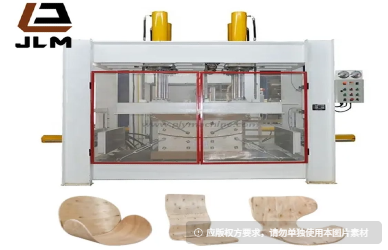
The right hot press ensures uniform pressure and temperature, leading to consistent glue bonding and stronger, more durable plywood. This reduces defects like delamination and warping, improving overall product quality.
A well-chosen hot press accelerates curing times, increasing production speed and throughput. Faster heating and better temperature control reduce bottlenecks and idle time, allowing for higher output without sacrificing quality.
Investing in a durable, energy-efficient hot press leads to lower maintenance and energy costs over time. While the initial investment may be higher, the savings in repairs, energy bills, and material waste make it a cost-effective choice in the long run.
Regular cleaning is essential to prevent the buildup of adhesive, dust, and other debris that can impact the efficiency of the hot press. Keeping the press clean ensures that pressure and heat are distributed evenly across the panels, leading to consistent product quality. Additionally, inspecting components like hydraulic systems, heating elements, and pressure gauges on a routine basis allows you to identify wear and tear early. This proactive approach helps catch small issues before they become major problems, ultimately avoiding costly repairs, reducing downtime, and maintaining the press’s efficiency.
Preventive maintenance is vital for extending the life of a hot press and minimizing the risk of unexpected breakdowns. Regular lubrication of moving parts, tightening of loose components, and checks of electrical and hydraulic systems ensure the press operates smoothly. Safety features should also be tested to prevent malfunctions that could lead to accidents. Routine inspections not only help maintain the press’s reliability but also improve energy efficiency by ensuring the system is working at optimal performance. With proper preventive care, you can reduce operational costs, maintain consistent product quality, and prevent costly emergency repairs, ensuring long-term performance.
Single-opening presses are suitable for smaller production volumes, while multi-opening presses increase efficiency for larger, continuous production runs.
An efficient heating system ensures uniform temperature distribution, which is essential for achieving strong glue bonding and consistent product quality.
Energy-efficient presses reduce operational costs, lower energy consumption, and help the environment by reducing carbon footprints.
Regular cleaning, lubrication, and inspection of components, including heating plates and hydraulic systems, are crucial for long-term performance.
In conclusion, choosing the right hot press for plywood production requires careful consideration of factors such as capacity, pressure control, heating systems, and energy efficiency. It's essential to match the press size to your production needs, ensure consistent glue bonding with high-quality plates, and select an efficient heating system for uniform results. Additionally, investing in modern automation and preventive maintenance will improve production efficiency and reduce long-term costs. Since selecting the best hot press can significantly impact both product quality and operational costs, it's highly recommended to work with industry experts who can help guide you in selecting the most suitable model for your specific needs. Their expertise ensures that you make an informed decision, optimizing both performance and profitability.


