E-mail: info@plymachine.com WhatsApp:+8619553901259

Views: 0 Author: Site Editor Publish Time: 2026-09-21 Origin: Site

In industrial panel manufacturing, adhesive failure is rarely a raw material defect; it is most often a process failure. Inconsistent glue mixing leads to delamination, blown boards, and compromised structural integrity. Plant managers must balance the chemical activation requirements of industrial resins with the aggressive throughput demands of a modern production facility. Mixing too briefly causes uneven hardener distribution. Over-mixing risks premature curing and excessive heat generation.
Achieving the precise mixing window at scale requires moving beyond manual or legacy systems. You need a controlled, repeatable process that accounts for environmental variables and resin chemistry. This guide details the technical parameters for adhesive mixing durations and establishes an evaluation framework for selecting the right equipment to guarantee batch-to-batch consistency.
Optimal Mixing Windows: Standard industrial plywood adhesives (UF, PF, MUF) typically require 15 to 30 minutes of active mixing, heavily dependent on batch size, ambient temperature, and mixer RPM.
Machinery Dictates Duration: The design of the plywood glue mixer (single-shaft vs. double-shaft, blade geometry) directly impacts shear rate, thereby shortening or lengthening the required mixing time.
Production Line Integration: A glue mixing machine for plywood must be sized to match the consumption rate of the glue spreader to prevent adhesive starvation or batch expiration.
Risk Mitigation: Automated viscosity monitoring and programmable mixing cycles eliminate operator guesswork, reducing material waste and preventing catastrophic press failures.
Different industrial resins demand distinct mixing approaches based on their molecular weight and initial viscosity. Urea-Formaldehyde (UF) resins generally present a lower initial viscosity, often hovering between 300 and 600 centipoise (cps) depending on the solids content. They blend relatively easily with water and extenders. However, UF resins require highly precise catalyst distribution. The ammonium chloride catalyst initiates the cross-linking process. If the agitation fails to disperse this catalyst evenly, the panel will experience uneven curing during hot pressing.
Phenol-Formaldehyde (PF) resins, commonly used for exterior-grade and marine panels, possess a much higher viscosity, frequently exceeding 1500 cps. They demand aggressive mechanical shear to achieve a homogenous state. The thick nature of PF resin means standard paddle mixers often struggle to fold the material effectively, leading to dead zones in the mixing vat. Melamine-Urea-Formaldehyde (MUF) sits between the two, often requiring specific temperature controls during agitation to prevent premature thickening.
The introduction of extenders significantly alters the required shear force. Wheat flour, pecan shell flour, and various organic fillers act as gap fillers and control adhesive penetration into the veneer. These dry powders naturally agglomerate when they hit liquid. If the mixer lacks sufficient torque, these powders form dry-centered clumps known on the floor as "fish eyes." These clumps block the glue spreader rollers and create dry spots on the veneer.
Wood species dictate viscosity targets. You cannot use a single adhesive mix for every type of log that enters the mill. Dense hardwoods like Nordic birch or maple feature tight, closed grain structures. If the adhesive is too thick, it will not anchor into the wood fibers. The press pressure will simply squeeze the thick glue line entirely out of the panel edges, resulting in a starved joint and a weak mechanical bond. For these dense species, operators must mix the adhesive to a lower viscosity, ensuring it wets the surface adequately.
Conversely, porous softwoods like radiata pine or southern yellow pine absorb liquids rapidly. Adhesives formulated for these species require higher viscosity and superior water retention. If the mix is too thin, the glue disappears into the veneer before the press even closes, again leaving a starved joint. Mixing times are calibrated to achieve the precise viscosity needed for optimal spread rates, which typically range from 140 to 200 grams per square meter depending on the panel construction. Longer mixing times can sometimes be used to slightly increase viscosity as the extenders fully hydrate and swell, but operators must balance this against the diminishing pot life of the batch.
Under-mixing leaves unblended pockets of hardener and dry extenders floating in the resin. When this uneven mixture hits the glue spreader, it transfers inconsistently onto the veneer. During hot pressing, areas lacking sufficient catalyst fail to cure. The moisture trapped in these uncured pockets turns to high-pressure steam when the press opens. This steam ruptures the internal plies, causing localized delamination known as blisters. Blisters result in immediate panel rejection and severe yield losses.
Over-mixing presents an entirely different set of dangers driven by mechanical heat generation. Friction from prolonged mixing transfers directly into the resin mass. As the mixture absorbs this kinetic energy, temperatures can push toward critical activation thresholds, sometimes approaching 150°F (65°C) in the vat. This heat accelerates the chemical reaction, drastically shortening the pot life. A batch that should last four hours might cross-link in 45 minutes. Furthermore, excessive mechanical shear physically damages the cellular structure of certain organic extenders, ruining their ability to hold water and control adhesive penetration.
Mixing Error | Physical Symptom in Vat | Defect on the Production Line | Impact on Final Panel |
|---|---|---|---|
Severe Under-Mixing | Visible dry clumps, streaky color | Blocked spreader grooves, uneven application | Steam blisters, localized delamination |
Slight Under-Mixing | Inconsistent viscosity readings | Variable tack during open assembly | Weak edge bonds, inconsistent shear strength |
Slight Over-Mixing | Elevated batch temperature | Adhesive skins over too quickly on veneer | Pre-cure defects, dry joints |
Severe Over-Mixing | Rapid thickening, vat lock-up | Total line stoppage, equipment damage | Complete batch rejection, zero yield |
Establishing a reliable mixing protocol starts with evidence-based benchmarks. For most industrial setups, the process requires a phased approach to ingredient addition. Dumping everything into the vat simultaneously guarantees a failed batch. The standard sequence dictates 5 to 10 minutes of dry powder blending first. This breaks up clumps in the extenders and fillers before any liquid is introduced. Once the liquid resin is pumped in, an additional 10 to 20 minutes of active wet mixing is required. This brings the total cycle to 15 to 30 minutes per batch.
To achieve this consistently, operators follow a strict sequence:
Meter the precise volume of water into the mixing vat.
Add dry extenders and fillers slowly while the agitator runs.
Agitate for 5 to 10 minutes until a smooth paste forms.
Pump in the liquid resin and blend until homogenous.
Add the catalyst last to initiate the pot life timer.
Run the final wet mix for 10 to 20 minutes based on viscosity targets.
These timeframes serve as a baseline for a standard plywood production line. However, they must be strictly calibrated against the specific resin manufacturer's technical data sheets (TDS). A high-solids PF resin might require the full 30 minutes to achieve homogeneity, while a highly diluted UF resin might be ready in 15 minutes. Operators must track these cycles meticulously to maintain continuous operation.
A mixing recipe that works perfectly in December will likely fail in July. Ambient plant temperature and humidity require dynamic adjustments to mixing times. High summer temperatures (often exceeding 35°C/95°F in unconditioned mills) accelerate the chemical reaction of the resin, narrowing the pot life window. In these conditions, operators must reduce the mixing duration to prevent the adhesive from curing before it reaches the spreader. They may also need to substitute a slower-acting catalyst.
Water temperature used for diluting powdered resins also plays a massive role. Using cold water from winter pipes slows hydration, demanding longer mixing times for extenders to swell properly. Additionally, varying Veneer Moisture Content (MC) dictates the required water retention of the glue mix. The target MC for veneers leaving the dryer is typically 6% to 8%. If veneers are coming out overly dry (e.g., 3% to 4%), they act like sponges. The adhesive needs higher water retention to survive the open assembly time. This influences the necessary blending duration of the extenders to ensure they fully absorb the available moisture in the vat.
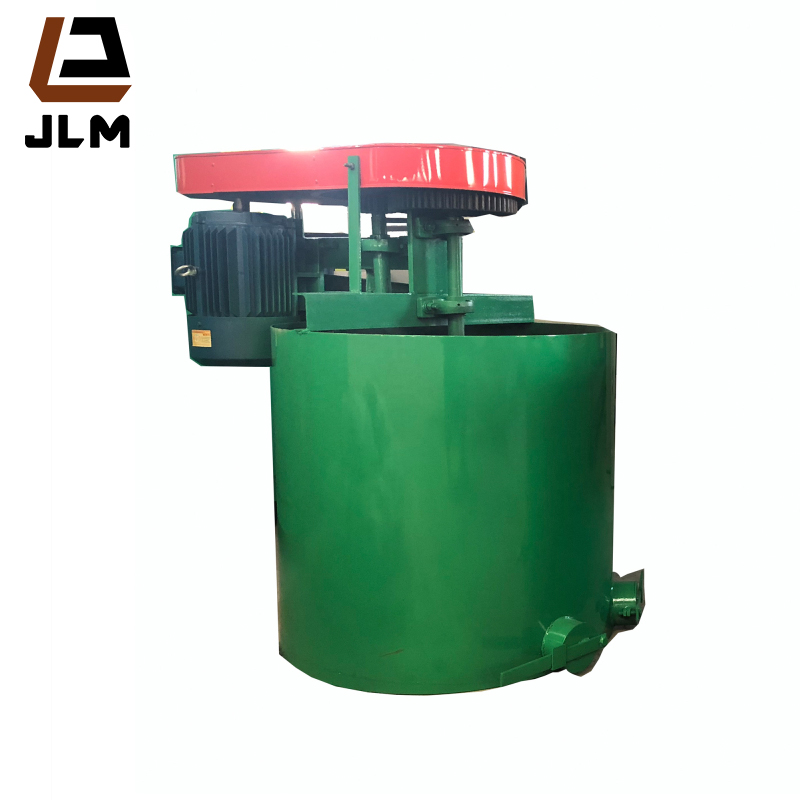
The mechanical design of your equipment dictates your operational limits. Single-shaft mixers feature a central rotating axis with attached paddles or ribbons. We evaluate these primarily for smaller operations or when processing lower-viscosity UF resins. They offer lower capital expenditure and simpler maintenance routines. However, they often require longer mixing cycles, frequently exceeding 25 minutes to achieve a smooth blend, because they rely on the material falling back onto itself rather than forcing it through a shear zone.
Double-shaft mixers are engineered for high-viscosity PF resins and high-throughput environments. The counter-rotating blades fold the material into itself, dramatically increasing the shear rate. This aggressive mechanical action forces the heavy resin and dry powders to integrate rapidly. This design can reduce the total mixing time by up to 30%. When selecting a plywood glue mixer, matching the shaft configuration to your primary resin type prevents bottlenecking at the blending station. Running heavy PF resin in a light-duty single-shaft mixer will eventually burn out the motor or snap the drive chain.
Standard paddles simply push material around the vat. High-shear impellers operate differently. They pull the adhesive mixture through a tight mechanical tolerance—often a stator and rotor configuration—physically tearing apart agglomerates. This technical advantage rapidly breaks down extender clumps without requiring extended cycle times.
By achieving a homogenous blend faster, high-shear systems preserve the pot life of the adhesive. You get a smoother glue mix that spreads more evenly on the veneer, reducing overall resin consumption. Upgrading to high-shear Auxiliary Machinery for Plywood yields immediate improvements in panel bond strength and a reduction in spreader maintenance. The smooth consistency prevents the spreader doctor rolls from bouncing over hard lumps of unmixed flour, ensuring a perfectly uniform glue line.
Mixer Configuration | Ideal Resin Type | Average Mix Time | Primary Advantage |
|---|---|---|---|
Single-Shaft Paddle | Low-viscosity UF | 20 - 30 minutes | Simple maintenance, lower initial setup cost |
Double-Shaft Ribbon | High-viscosity PF / MUF | 15 - 20 minutes | High throughput, excellent folding action |
High-Shear Impeller | Heavily extended resins | 10 - 15 minutes | Rapid agglomerate breakdown, preserves pot life |
A mixer is only effective if it keeps the rest of the plant fed. The output capacity of the mixer, measured in kilograms or liters per hour, must exceed the maximum consumption rate of the glue spreader at peak production. You cannot simply match the volumes; you must factor in the dead time associated with loading and discharging.
Calculate the total cycle time carefully. Assume loading ingredients takes 5 minutes, the mixing cycle takes 20 minutes, and the discharge time takes 5 minutes. That is a 30-minute total cycle, meaning the mixer can produce two batches per hour. If your spreader consumes 800 kilograms of mixed adhesive per hour, a 400-kilogram capacity mixer will run constantly with zero margin for error. Sizing up to a 600-kilogram capacity provides a necessary buffer. This prevents adhesive starvation on the line and ensures the spreader never runs dry during minor delays.
Manual batching relies on operators counting bags of flour and measuring water by eye. This introduces massive variability into the chemical equation. Modern systems utilize Programmable Logic Controllers (PLCs) and automated load cells for precise recipe dosing. The system weighs every ingredient down to the gram before dropping it into the vat, ensuring the solids-to-liquids ratio is perfect every single time.
Inline viscometers take this a step further by measuring the dynamic viscosity of the adhesive in real-time during the mixing cycle. If the mix is too thick, the PLC can automatically dose a calculated amount of water to bring it back into spec. Automation removes human error from the mixing duration equation. A fully automated glue mixing machine for plywood guarantees that batch 1 and batch 50 have the exact same chemical and physical properties, stabilizing the entire pressing operation.
You must assess the operational reality of cleaning the equipment. A mixer that takes 45 minutes to clean between shifts completely negates the efficiency of a 15-minute mix cycle. Dried PF resin is notoriously difficult to remove once it hardens on the agitator blades, often requiring operators to chip it away with pneumatic hammers.
Look for features designed to mitigate downtime. Polished 304 or 316 stainless steel vats prevent resin from adhering strongly to the sidewalls. Easy-access pneumatic butterfly valves allow operators to discharge the batch rapidly and clear blockages safely. Automated Clean-In-Place (CIP) systems use high-pressure water jets to scour the interior immediately after the final batch is discharged. This drastically reduces manual labor, prevents cross-contamination between resin types, and cuts turnaround time down to minutes.
When laminating multiple veneers to create thicker plywood sheets, the adhesive must maintain a stable viscosity from the moment it is spread until the press closes. This duration is known as the open assembly time. Proper mixing prevents the glue from skinning over or drying out too quickly during this window. If the extenders are not fully hydrated during the mix cycle, they will continue to pull moisture out of the resin while sitting on the veneer.
This causes the glue line to lose its tack. When the veneers are finally pushed into the hot press, the adhesive cannot flow properly under pressure, resulting in dry joints and failed bonds. Consistent mixing ensures the water is bound correctly within the chemical matrix, providing a predictable open assembly window that allows operators to build thick panels without rushing.
Once the catalyst hits the resin, the clock starts ticking. Managing this pot life window is critical for plant efficiency. High-friction mixing generates heat, which accelerates curing. To combat this, advanced mixing vats utilize chilled water jackets. Circulating cold water around the exterior of the vat pulls heat out of the mixture, extending the usable life of the adhesive and protecting the batch from ambient summer temperatures.
Handling unexpected production stops requires strict protocols. If the main press goes down for an hour due to a hydraulic failure, the mixed adhesive sitting in the vat will begin to cross-link. Operators must either keep the agitator turning slowly while maximizing the chilled water flow, or immediately discharge the batch into waste containers to prevent vat lock-up. Chipping solid resin out of a mixer is a catastrophic waste of time and resources that can shut down a line for days.
Machinery only performs as well as the operators running it. Standard Operating Procedures (SOPs) for the sequence of ingredient addition are mandatory to optimize mechanical efficiency. Deviating from the established order causes severe clumping, overloads the mixer's motor, and destroys the batch chemistry.
A properly mixed and applied adhesive also ensures predictable post-press conditioning times. When the adhesive chemistry is uniform, the panels cure evenly in the press. This allows for standardized 24-hour hot stacking, where the panels finish their chemical cross-linking in a controlled stack before being moved to the finishing department. Inconsistent mixing leads to panels that require extended pressing times or prolonged conditioning, creating massive bottlenecks in the warehouse.
Audit your current adhesive technical data sheets to verify the manufacturer's recommended shear rates and mixing times.
Calculate the actual maximum consumption rate of your existing glue spreaders to ensure your mixer capacity is adequately sized with a 20% buffer.
Implement strict Standard Operating Procedures for ingredient sequencing to prevent motor strain and extender agglomeration.
Request cycle-time guarantees and viscosity control demonstrations from machinery manufacturers before committing to new equipment.
A: Over-mixing generates excessive mechanical friction, which transfers heat into the adhesive. This heat accelerates the chemical reaction, drastically reducing the pot life. It can lead to premature curing in the vat and physically break down the structure of organic extenders, ruining the adhesive's viscosity and water retention properties.
A: Higher ambient temperatures accelerate the chemical cross-linking of the resin. During hot months, operators must shorten mixing times or utilize water-jacketed mixing tanks to cool the adhesive. Conversely, cold temperatures thicken the resin and slow extender hydration, requiring longer mixing times to achieve a homogenous blend.
A: Overly dry veneers absorb moisture rapidly, requiring an adhesive mix with higher water retention and viscosity to prevent dry joints. Wet veneers need less water in the glue line. You adjust this by altering the ratio of extenders and modifying the mixing time to ensure the extenders fully hydrate and lock in the moisture.
A: Industrial mixers typically operate between 40 and 120 RPM. Variable speed drives are highly recommended, as they allow operators to adjust the shear force based on the specific resin viscosity. High-viscosity PF resins generally require lower RPMs with higher torque, while thinner UF resins can be mixed at higher speeds.
A: Yes, but it requires meticulous cleaning between batches. Cross-contamination between UF and PF resins destroys the chemical integrity of both. Additionally, PF resins have a much higher viscosity, meaning the machinery must possess sufficient motor torque and robust blade geometry to handle the thicker material without stalling.
A: The adhesive is fully mixed when it reaches a uniform color, a smooth consistency completely free of dry powder clumps, and hits the target viscosity specified by the resin manufacturer. Modern automated systems use inline viscometers to measure this precisely, removing the need for visual guesswork by the operator.