E-mail: info@plymachine.com WhatsApp:+8619553901259

Views: 0 Author: Site Editor Publish Time: 2026-03-13 Origin: Site
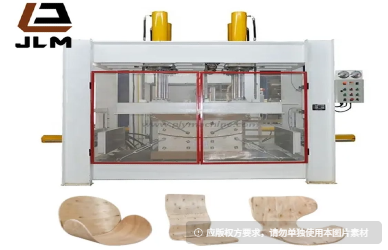
Plywood manufacturing relies heavily on press machines to bind layers of veneer into a solid panel. Two primary methods for pressing plywood are hot press and cold press. Each method has its advantages, and understanding the differences is crucial for manufacturers to choose the best option based on their needs. This article explores the key differences, advantages, and applications of hot and cold presses, helping you make an informed decision for your plywood production process.
Hot presses are designed to apply both heat and pressure to the plywood veneer layers. The heat accelerates the curing process of the adhesive, while the pressure ensures uniform bonding. This combination significantly speeds up production time and results in stronger, more durable plywood panels. Hot presses typically come in single-opening or multi-opening designs, where multiple panels can be pressed simultaneously.
The main benefits of using a hot press include:
Faster Production: Heat accelerates the curing process, which reduces production time.
Stronger Bonds: The heat helps the adhesive cure faster, resulting in stronger, more durable plywood.
Higher Product Quality: The combination of heat and pressure results in consistent and smooth surfaces with better adhesive bonding.
Cost-Efficiency at Scale: In high-volume production environments, hot presses improve throughput, making them more cost-effective in the long run.
Hot presses are ideal for large-scale manufacturing operations that require quick processing times. They are commonly used in:
Large plywood manufacturers where volume and production speed are critical.
Thicker plywood or plywood with harder materials that require more heat for proper bonding.
High-quality plywood production where durability and strength are a priority.
Cold presses, unlike hot presses, operate by applying pressure at room temperature to bond plywood veneers together. In this process, pressure is the primary force used for adhesion, and there is no heat involved to accelerate the curing of the adhesive. This results in a slower curing time compared to hot pressing. The absence of heat makes cold presses more energy-efficient since they don’t require heating systems, making them an attractive option for manufacturers focused on reducing energy consumption. The process also ensures that materials are not subjected to high temperatures, which can preserve their integrity.
Cold presses offer several distinct advantages:
Energy Efficiency: Without the need for heating, cold presses consume far less energy compared to hot presses. This energy efficiency makes them a more environmentally friendly choice, especially for smaller operations where reducing energy costs is a priority.
Gentler on Materials: Cold pressing is less harsh on delicate or thinner veneers that could be damaged by the intense heat of a hot press. This method preserves the integrity of sensitive materials and ensures they remain in good condition during the bonding process.
Lower Operating Costs: Because cold presses do not require a heating system, both the initial investment and operational costs are typically lower than those of hot presses. For smaller manufacturers or those on a budget, cold presses present a cost-effective solution.
Consistent Results: Cold presses allow for better control over the curing process as there is no external heat influencing the material. This results in more predictable and consistent outcomes, which is essential for producing quality plywood in specific, customized applications.
Cold presses are particularly beneficial for specific types of plywood production:
Thinner Plywood or Veneers: For veneers that do not need excessive heat to bond, cold presses offer an ideal solution. They are particularly effective for thinner plywood, where high heat could distort or weaken the material.
Sensitive Materials: Cold presses are better suited for materials that may degrade or warp under heat, such as certain hardwoods or delicate veneers. The absence of heat ensures that these materials are not exposed to damaging temperatures.
Small-Scale or Customized Production: Cold presses are a great choice for manufacturers who produce smaller quantities or customized plywood. Their energy efficiency and lower cost of operation make them ideal for small-scale operations that do not require the high-speed, high-volume capabilities of hot presses.
Feature | Hot Press | Cold Press |
Pressing Method | Heat + Pressure | Pressure only |
Production Speed | Faster due to heat-accelerated curing | Slower, as curing happens at room temperature |
Energy Consumption | High energy consumption (requires heating) | Lower energy consumption (no heating) |
End Product Quality | Stronger bonds, higher quality | Gentle on materials, good for specific uses |
Cost Efficiency at Scale | More cost-effective at high volumes | Cost-effective for small-scale production |
Ideal Applications | Large-scale, thicker plywood, high-volume | Thin plywood, energy-conscious, small-scale |
The primary distinction between hot and cold presses lies in the curing process. Hot presses utilize both heat and pressure to accelerate the curing of adhesives, leading to faster production times and stronger bonds. In contrast, cold presses only rely on pressure, resulting in slower curing times. Hot presses are ideal for high-volume production and thicker plywood that requires strong bonding. Cold presses, while slower, are better for applications where energy efficiency and material sensitivity are more critical, such as thinner plywood or specialty veneers.
Hot presses are typically faster because the heat speeds up the adhesive curing process, making them suitable for high-output, large-scale operations. Cold presses, on the other hand, take longer to achieve the same adhesive strength. However, they are more energy-efficient, particularly in smaller production environments or when processing thinner plywood or specialty materials. Their slower curing times might not be ideal for high-volume operations but are advantageous in energy-conscious settings.
Energy efficiency is a major advantage of cold presses over hot presses. Cold presses do not require heating systems, significantly reducing energy consumption. Hot presses, however, demand substantial energy to maintain high temperatures for effective adhesive curing. This increased energy use in hot presses translates to higher operational costs, particularly in large-scale production, making cold presses a more economical option in the long term for energy-conscious manufacturers.
The quality of the final plywood product is another area where hot presses excel. The heat used in hot presses accelerates adhesive curing, resulting in stronger bonds and smoother, more durable plywood surfaces. Cold presses, although gentler on materials, may not produce bonds as strong as those created with heat. They are better suited for more delicate materials that could be damaged by high temperatures, but the final product may have less durability and strength compared to hot-pressed plywood.
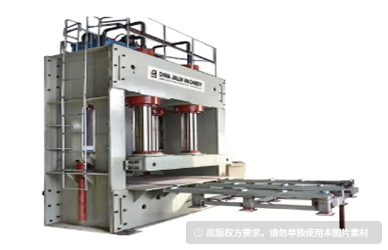
High-Volume Production: Hot presses are the ideal choice for high-volume production because they combine heat and pressure to quickly bond layers, ensuring fast throughput. This is essential when production speed is a priority.
Thicker Plywood: For thicker plywood or products that require strong, durable bonding, hot presses are necessary. The combination of heat and pressure ensures a robust adhesive bond that can withstand the additional weight and stress of thicker panels.
Quality and Durability: When the strength, durability, and finish of the plywood are crucial, hot presses provide superior results. The heat accelerates the adhesive curing process, resulting in consistent, high-quality plywood with a smooth finish and strong, reliable bonds.
Energy Efficiency: Cold presses are an excellent choice if reducing energy consumption is a priority. Since they don’t require heating systems, they consume far less energy, making them ideal for operations looking to reduce operational costs.
Delicate Materials: Cold presses are better suited for thin or delicate veneers that may warp or get damaged under the high heat of a hot press. The pressure without heat helps preserve the material's integrity, making cold pressing a safer option for sensitive materials.
Small-Scale Production: Cold presses are cost-effective and energy-efficient, making them ideal for smaller production runs. If you don't need the speed or volume provided by a hot press, a cold press is a more affordable option that still ensures good-quality plywood, especially for niche or customized products.
Hot presses use both heat and pressure to accelerate the curing of adhesive, which results in faster bonding and quicker production cycles. In contrast, cold presses rely only on pressure applied at room temperature, which means the adhesive cures more slowly. This slower curing process leads to extended production times but may be more suitable for certain materials or thinner plywood.
Hot presses are ideal for high-volume production as they combine heat and pressure to speed up the adhesive curing process. This makes them highly efficient in large-scale operations where faster production is essential. Cold presses, while energy-efficient, are slower and better suited for smaller batches or specific applications.
Yes, cold presses are significantly more energy-efficient since they do not require heating systems. The absence of heating reduces the overall energy consumption during production. For manufacturers looking to minimize energy costs, cold presses can offer substantial long-term savings, especially in smaller or medium-scale operations.
Cold presses are generally not suitable for thicker plywood production. The lack of heat means the curing process takes longer, which may not provide sufficient bond strength for thicker or denser wood. Hot presses, with their ability to apply both pressure and heat, are more effective for ensuring strong adhesive bonds in thicker plywood products, making them the preferred choice for such applications.
Both hot and cold presses have their specific advantages, and the decision of which to choose depends on the scale of production, the type of plywood, and energy concerns. Hot presses excel in high-speed, large-scale operations and are ideal for thicker plywood and stronger bonds. Cold presses are better for smaller runs, energy efficiency, and applications where gentler pressure is required. For manufacturers, understanding these differences and aligning the press choice with their specific needs is key to optimizing production quality, cost-efficiency, and operational performance.


