E-mail: info@plymachine.com WhatsApp:+8619553901259

Views: 0 Author: Site Editor Publish Time: 2026-03-18 Origin: Site
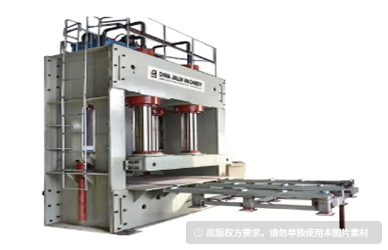
The pressing process in plywood manufacturing involves the application of heat and pressure to bond layers of veneer together. A hot press is a machine that uses heat to soften the adhesive and pressure to bond the layers into a solid panel. Traditionally, plywood manufacturers used manual presses, which required operators to adjust temperature, pressure, and curing times. However, as automation has advanced, many manufacturers have turned to automatic plywood hot presses. These presses utilize computerized controls to automate many aspects of the process, reducing the need for human intervention and improving overall production efficiency.
This article delves into the key differences between automatic and traditional plywood hot presses, their advantages, and the challenges associated with each system.
Traditional plywood hot presses rely on manual controls for setting and adjusting key parameters such as temperature, pressure, and curing time. Operators must carefully monitor and adjust these settings throughout the pressing cycle to ensure the desired bonding results. The process typically involves:
Heating plates: These are heated to a specific temperature and pressed onto the plywood panels.
Manual pressure application: Operators control the pressure, typically using hydraulic or mechanical systems.
Curing time: The press cycles must be timed manually to ensure proper curing of the adhesive.
Despite the more hands-on approach, traditional presses still offer certain advantages:
Lower Initial Investment: Traditional presses are typically less expensive upfront compared to automated presses.
Simplicity: The operation is more straightforward, and employees need minimal training to use the equipment.
Flexibility: Operators can adjust the settings for various types of plywood or production runs, making them ideal for custom or small-scale production.
However, traditional presses also have several limitations:
Labor-Intensive: The need for constant monitoring and manual adjustments can result in higher labor costs and human error.
Inconsistent Results: Manual adjustments can lead to inconsistent temperature and pressure, resulting in variable product quality.
Lower Efficiency: The time taken for manual adjustments and cycle times can slow down production, especially in high-volume operations.
Automatic plywood hot presses are equipped with advanced computerized control systems that automate temperature, pressure, and curing time. These presses feature integrated sensors and programmable logic controllers (PLCs) that continuously monitor and adjust the pressing conditions throughout the cycle. Key components of automatic presses include:
Advanced control panels: Operators can program specific settings for temperature, pressure, and time. The system ensures these parameters are maintained throughout the pressing cycle.
Sensors and feedback loops: These continuously monitor and adjust the press to maintain optimal conditions for adhesive curing and veneer bonding.
Automation features: These include automated loading and unloading, automatic pressure adjustments, and real-time monitoring for performance optimization.
The automated features of these presses provide several key advantages:
Increased Efficiency: Automation ensures that each cycle is faster and more consistent. The press works automatically, allowing operators to focus on other tasks or manage multiple machines.
Consistent Product Quality: With automated control systems, each press cycle ensures precise temperature, pressure, and timing, leading to consistent product quality.
Reduced Labor Costs: The need for manual adjustments and constant operator supervision is minimized, significantly reducing labor costs.
Enhanced Productivity: The automation of the process allows for a more streamlined production line, reducing downtime and increasing throughput.
While automatic presses offer significant advantages, they also present challenges:
Higher Initial Investment: Automatic presses require a larger initial investment, as they are more complex and equipped with advanced control systems.
Training Requirements: Operators must be trained to understand and manage the automated systems, which can be more complex than traditional manual presses.
Maintenance Complexity: Automated systems can be more difficult to maintain, requiring skilled technicians to troubleshoot and repair advanced components.
Feature | Automatic Plywood Hot Press | Traditional Plywood Hot Press |
Pressing Method | Automated control of pressure, heat, and timing | Manual control of pressure, heat, and timing |
Production Speed | Faster due to automation and precision | Slower, with more manual adjustments |
Product Quality | Consistent and high-quality results | Inconsistent, dependent on operator skill |
Labor Requirements | Reduced labor, less human intervention | High labor, requires continuous operator supervision |
Energy Efficiency | More energy-efficient due to optimized cycles | Less energy-efficient due to manual adjustments |
Maintenance | Requires skilled technicians for maintenance | Easier to maintain but more frequent wear and tear |
One of the primary benefits of automatic plywood hot presses is their ability to speed up the production process. Automation streamlines key tasks such as adjusting pressure, temperature, and curing times. With these parameters controlled automatically, there is a significant reduction in cycle time. This faster pace allows more plywood panels to be pressed within a given period, greatly increasing production throughput. For large-scale operations, where high output is critical, automatic presses are essential for maintaining efficiency. The increased throughput directly contributes to the overall productivity of the plant, enabling manufacturers to meet high-demand production schedules without sacrificing quality.
Another significant advantage of automatic presses is the consistency in product quality. Since the machine adjusts parameters like pressure, temperature, and time automatically, human error is greatly minimized. In traditional presses, operators must continuously monitor and manually adjust these variables, which can lead to variations between cycles. These inconsistencies can result in defects or plywood panels that do not meet quality standards. In contrast, automatic presses offer precise control, ensuring that each cycle delivers the same level of performance. This consistency results in uniformly high-quality plywood with fewer defects, leading to greater customer satisfaction and fewer rework or rejection rates.
Automatic plywood hot presses significantly reduce the need for manual intervention, leading to a reduction in labor costs. Since the machine handles most of the key tasks, fewer operators are required to manage the process. This reduction in manpower can result in substantial savings, especially in high-volume production environments. Operators spend less time adjusting settings or managing the press, and instead, they can focus on monitoring the entire system, allowing for better overall workflow. Additionally, automated loading and unloading systems, along with automatic pressure adjustments, streamline the process and reduce the need for continuous operator attention, further cutting labor costs. This is particularly beneficial in high-output operations, where labor expenses can become a significant part of operating costs.
Many modern automatic plywood hot presses come equipped with real-time monitoring and diagnostics systems. These systems enable remote monitoring, allowing operators and technicians to observe press performance and track operational metrics from a distance. Remote diagnostics can help identify potential issues before they become significant problems, enabling timely intervention and minimizing downtime. Additionally, these systems can track maintenance needs, providing alerts for routine maintenance tasks such as cleaning, lubrication, or part replacement. This remote capability enhances overall machine uptime and ensures that the press operates at optimal performance with minimal on-site intervention. As a result, manufacturers can reduce maintenance costs and avoid costly production delays due to unplanned breakdowns.
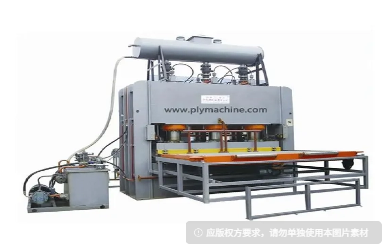
Automatic plywood hot presses are more expensive than traditional presses due to the advanced technology, sensors, and automated systems they incorporate. The initial capital expenditure for purchasing and installing automatic presses can be a significant barrier for smaller manufacturers.
The complexity of automatic systems means they often require more specialized maintenance. Technicians with expertise in automation and control systems are necessary to troubleshoot and maintain the machinery. This can increase long-term operational costs if not managed properly.
Operators and technicians must be trained to handle automated systems. While traditional presses require basic mechanical knowledge, automatic presses necessitate understanding software, sensors, and system integration, which can involve a steep learning curve.
Automatic presses can adjust pressure, heat, and timing without manual intervention, allowing faster cycles and higher throughput compared to traditional presses.
Yes, automatic presses are generally more energy-efficient as they optimize the press cycle, reducing energy waste and improving overall machine performance.
Automatic presses require regular monitoring, software updates, and occasional maintenance of advanced components like sensors and control systems, often requiring skilled technicians.
For small-scale operations, the high initial investment may not be justifiable unless the operation is scaling up or requires high-speed production with consistent quality.
In choosing between an automatic plywood hot press and a traditional press, manufacturers must weigh the benefits and challenges based on their specific production needs. Automatic presses offer significant advantages in terms of speed, efficiency, consistency, and labor reduction, making them an excellent choice for high-volume, large-scale production. However, their higher initial cost, maintenance complexity, and training requirements may make them less appealing for smaller manufacturers or those with limited budgets.
Traditional presses, while slower and more labor-intensive, remain a cost-effective option for smaller operations, custom jobs, or businesses where flexibility and lower upfront costs are more important than automation.
By understanding the key differences, advantages, and challenges of each system, manufacturers can make an informed decision about which press best suits their production goals and budget.


