E-mail: info@plymachine.com WhatsApp:+8619553901259

Views: 0 Author: Site Editor Publish Time: 2025-09-16 Origin: Site

A good maintenance plan turns a machine purchase into a 15+ year asset — here’s the practical plan operators follow. Proper upkeep of your veneer peeling line is essential not only to sustain high production throughput and veneer quality but also to protect your investment over the long term. From daily visual inspections to advanced predictive maintenance, following a structured maintenance routine ensures your equipment performs reliably year after year. This guide walks you through key maintenance tasks every plywood factory should implement to maximize the lifespan and efficiency of their veneer peeling line.
Start each production day and shift with a thorough visual inspection of critical components. Check blades and knives for any visible damage, dullness, or chips, as these directly affect veneer quality. Bearings should be free of unusual noise or heat buildup, indicating proper lubrication and condition.
Conveyor belts and rollers need to be aligned correctly to avoid uneven log feeding or veneer stacking issues. Misalignment can cause jams or excess wear on moving parts. Sensors responsible for thickness measurement, grading, and log positioning must be clean and undamaged to ensure accurate readings. Any faults or anomalies should be reported immediately for corrective action.
This quick visual check is the frontline defense against minor issues escalating into costly downtime. Operators trained to spot early warning signs can help keep the veneer peeling line running smoothly and avoid unexpected breakdowns.
Blades and knives are the heart of the veneer peeling process. Maintaining their sharpness and correct positioning directly impacts the surface quality and thickness consistency of veneer sheets.
Sharpen blades regularly based on usage hours and veneer species. Hardwood logs require more frequent sharpening than softwood due to their density. A common practice is to sharpen blades after peeling approximately 40-60 cubic meters of logs or when veneer surface quality begins to degrade.
The knife gap setting—the space between the knife and the veneer sheet—must be precise. Too narrow a gap can cause blade damage or excessive wear, while too wide a gap leads to uneven veneer thickness and poor quality. Calibration should be performed during routine maintenance and whenever blades are replaced or sharpened.
Keep a replacement schedule for knives and blades to avoid unexpected failures. Stock spare blades and knives onsite for quick swaps, minimizing downtime during maintenance.
Proper blade maintenance not only preserves veneer quality but also extends the overall lifetime of your peeling machine components, reducing operational costs over time.
Proper lubrication is vital to reduce friction, wear, and overheating of mechanical parts. Your veneer peeling line contains multiple grease points—bearings, chains, gearboxes—that require regular attention.
Consult the machine manual for specific lubrication intervals; many manufacturers recommend greasing critical points every 8-12 operating hours. Use the correct grade of grease to ensure optimal performance and avoid contamination.
Mechanical preventive maintenance also includes routine vibration checks on bearings and rotating components. Increased vibration or noise often signals bearing wear or imbalance, which if unchecked, can cause catastrophic failures.
Scheduling monthly vibration analysis combined with periodic visual inspections helps detect early mechanical issues. Addressing these promptly reduces unplanned downtime and extends machine life.
Consistent lubrication and mechanical checks also prevent energy losses caused by friction, improving the overall efficiency of the veneer peeling line.
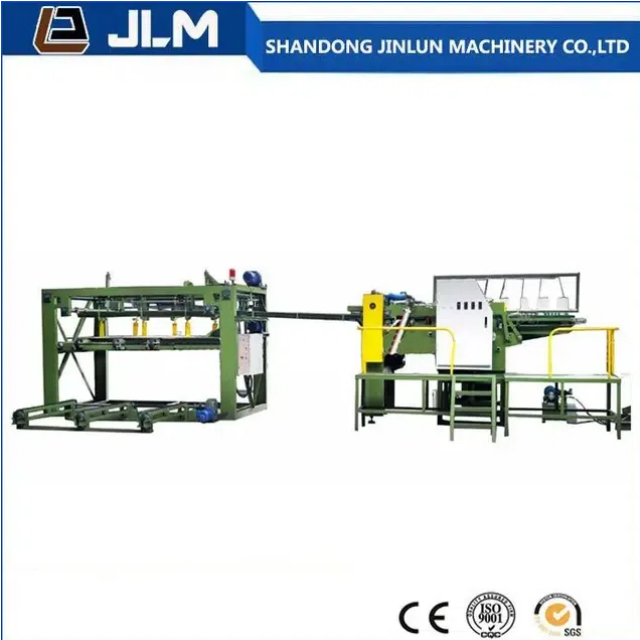
Sensors are integral to the automation and precision of modern veneer peeling lines. Thickness gauges, block centering analyzers, and grading sensors must be regularly calibrated to maintain accuracy.
Calibration involves comparing sensor readings with reference standards and adjusting as needed. Calibration intervals vary by sensor type and manufacturer recommendations but generally occur every 3-6 months or after major maintenance work.
In addition to hardware, control software and peeling “recipes” should be kept up-to-date. Software updates often include improved algorithms for veneer thickness control, defect detection, or line synchronization.
Maintaining the latest software ensures your veneer peeling line operates at peak efficiency, adapting to changing raw materials or production goals.
Proper calibration and updated software reduce product variability, thereby increasing yield and lowering the rate of rejects—both key drivers for profitability.
A well-planned spare parts inventory minimizes downtime caused by component failures. Critical parts to stock locally include blades, bearings, drive belts, sensors, and electrical components.
Analyze your mill’s historical maintenance records to identify the most frequently replaced parts and maintain adequate quantities onsite. This reduces waiting times for replacements and speeds up repairs.
Establish minimum service level agreements (SLAs) with equipment vendors to guarantee fast response times for technical support and spare parts delivery. Many suppliers also offer remote diagnostic support via internet connectivity, enabling quicker troubleshooting and minimizing production losses.
Combining an efficient spare parts strategy with reliable service contracts is essential to keep your veneer peeling line running uninterrupted.
Moving beyond reactive maintenance—fixing problems after they occur—to predictive maintenance saves costs and boosts productivity. Simple tools like run-hour logs, vibration sensors, and temperature monitors provide valuable data about machine health.
By analyzing this data regularly, maintenance teams can predict when parts are likely to fail and schedule replacements proactively. For example, increasing bearing vibration over days or weeks signals the need for timely lubrication or replacement before failure.
Many veneer peeling lines today can integrate condition monitoring software that aggregates sensor data and issues maintenance alerts, supporting better decision-making.
Adopting predictive maintenance strategies prolongs equipment life, improves product quality, and avoids costly emergency repairs.
Predictive maintenance also optimizes maintenance resource allocation, allowing your team to focus efforts where and when they are most needed, improving overall operational efficiency.
Well-trained operators and maintenance staff are crucial to effective machine care. Providing thorough training on maintenance routines, troubleshooting, and safe operation prevents accidental damage and speeds issue resolution.
Maintain up-to-date documentation including maintenance logs, parts catalogs, and troubleshooting guides. Digital record-keeping enables quick access to historical data, aiding continuous improvement.
Keep the working environment clean and free from excessive dust and moisture, which can accelerate wear and sensor malfunction. Regular cleaning of conveyors, rollers, and sensors improves operational stability.
Implement dust extraction systems if possible to reduce airborne particles, further protecting machine components.
Follow the checklist and you’ll keep throughput, quality, and resale value high — maintenance pays for itself. Shandong Jinlun Machinery’s veneer peeling line and wood lathe peeling machine products come with detailed maintenance guidelines and expert support to help you maximize your investment’s lifespan. Contact us to learn more about building a maintenance plan tailored to your plywood factory’s needs.


